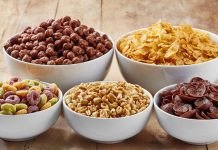
Simply put, caloric density is the number of calories per gram contained in any food. However the concept of caloric density is also something that can help you achieve your fitness and health related goals. Many diets base themselves on the concept of caloric density; for instance the Pritikin Principle and the Okinawa Diet.
There are two components that determine what the caloric density of a particular food will be: (a) water content and (b) fiber content. These factors are usually inversely proportional to caloric density. The higher the water and fiber content of a food, the lower will be its caloric density.
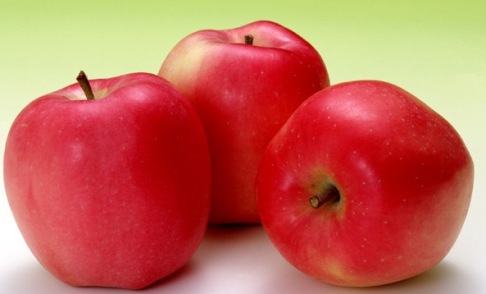
For instance, fresh fruit, vegetables, and legumes are high in fiber and/or water and consequently not very calorie dense.
Those foods that are high in fiber or water are also able to keep a person feeling fuller for longer, which is beneficial in a number of ways.
Compare for instance, one apple that weighs 2 ounces and 2 ounces of potato chips; the latter of course being a very calorie dense food. Because of the fact that the apple has fiber and water as well, you will feel as full as if you had eaten the chips, even though the chips have 5 times as many calories as the apple!
Source: Chicago Tribune